Location
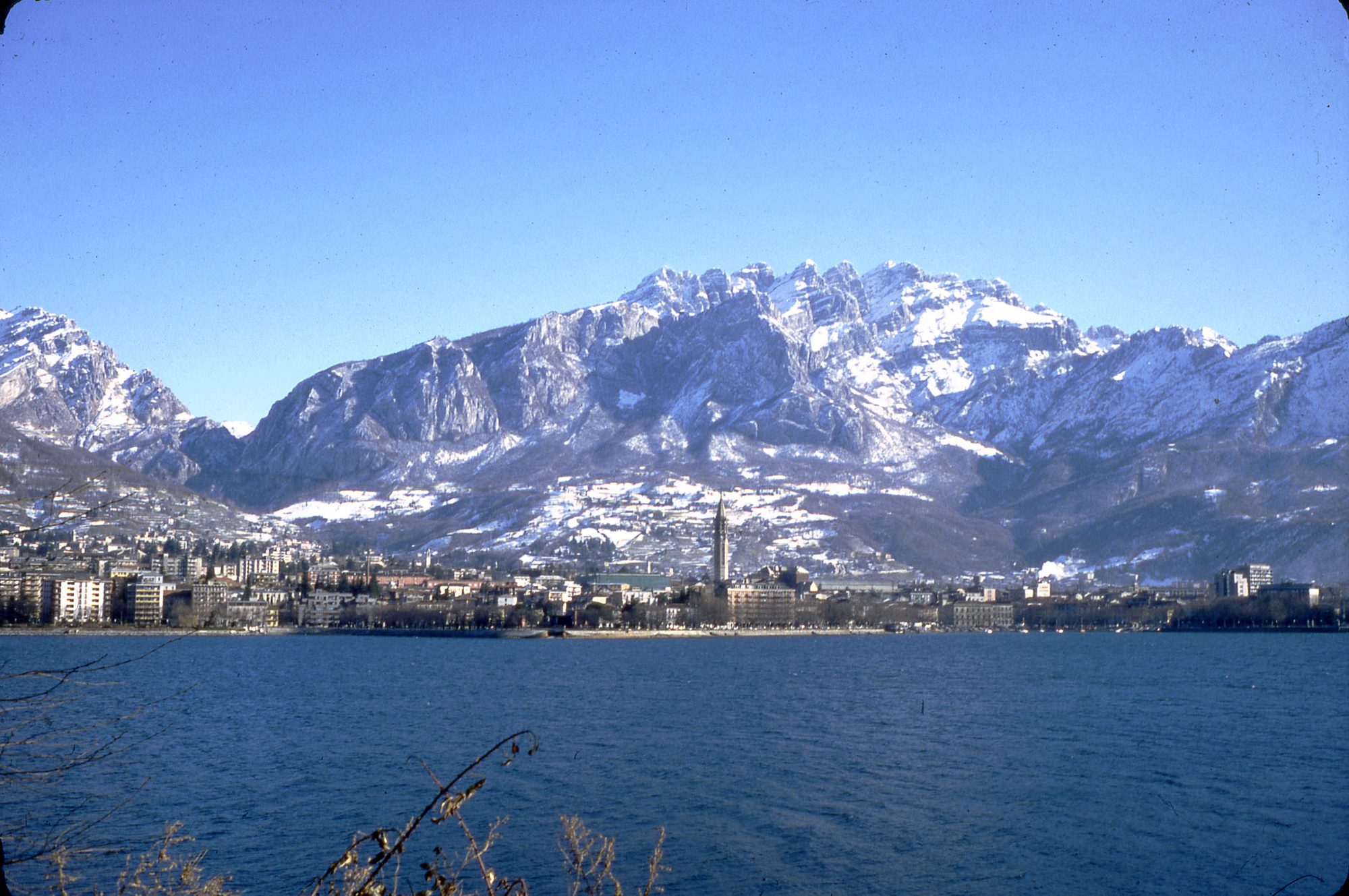
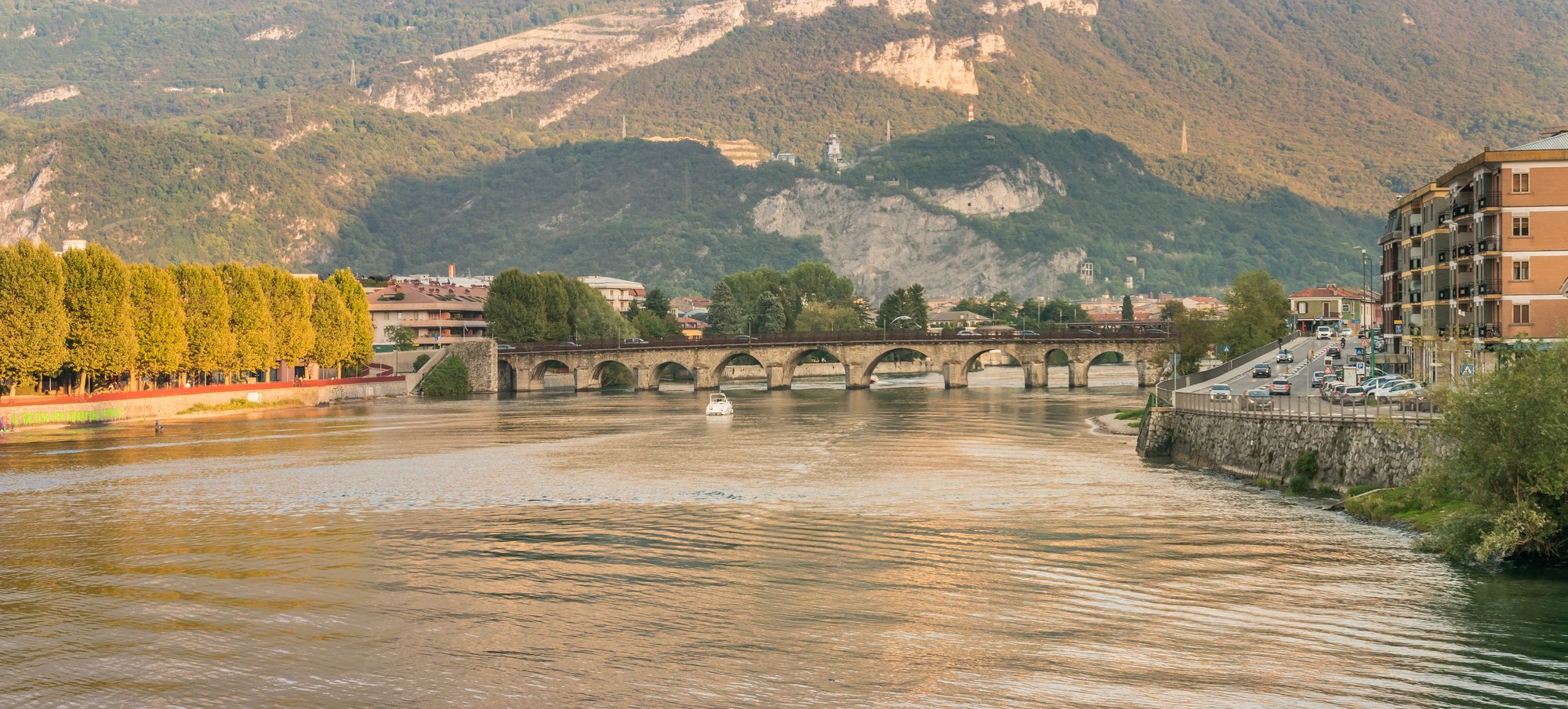
Lecco is the capital of the province of the same name, its centre facing the base of the lake’s eastern branch.
History
A pre-Roman village, it is reliably documented from the early Middle Ages onward as a county, later a possession of the Archbishopric of Milan. Allied with the Torriani, it was destroyed by the Visconti at the end of the 13th century and from then on followed the fortunes of the Duchy of Milan. Fortified as part of Milan’s defensive system, it was dismantled by the Austrians in 1792. It took an active part in the Five Days of Milan during the Risorgimento; in the following centuries it grew thanks to the silk and mechanical industries.
What to see
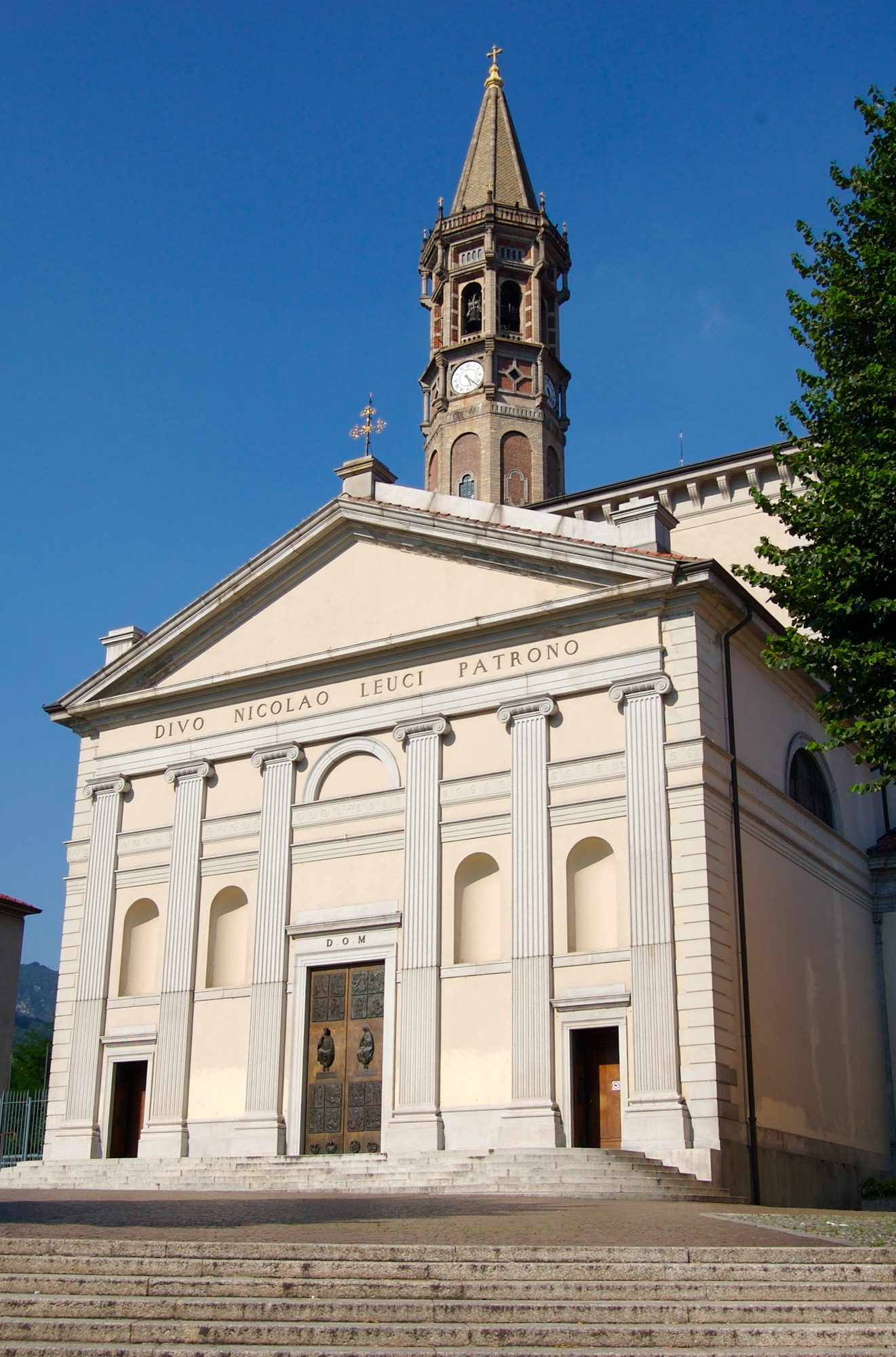
- Basilica di San Nicolò: the symbol of the city, built between 1831 and 1863 to a design by Giuseppe Bovara on the site of the old Romanesque church; the bell tower (“il matitone”), 96 metres tall, is the tallest on the whole of Lake Como, with views over the lake and the Resegone that inspired Manzoni. The interior has Corinthian columns and a Serassi organ from 1845.
- Sanctuary of Nostra Signora della Vittoria: built in memory of the fallen of the Great War.
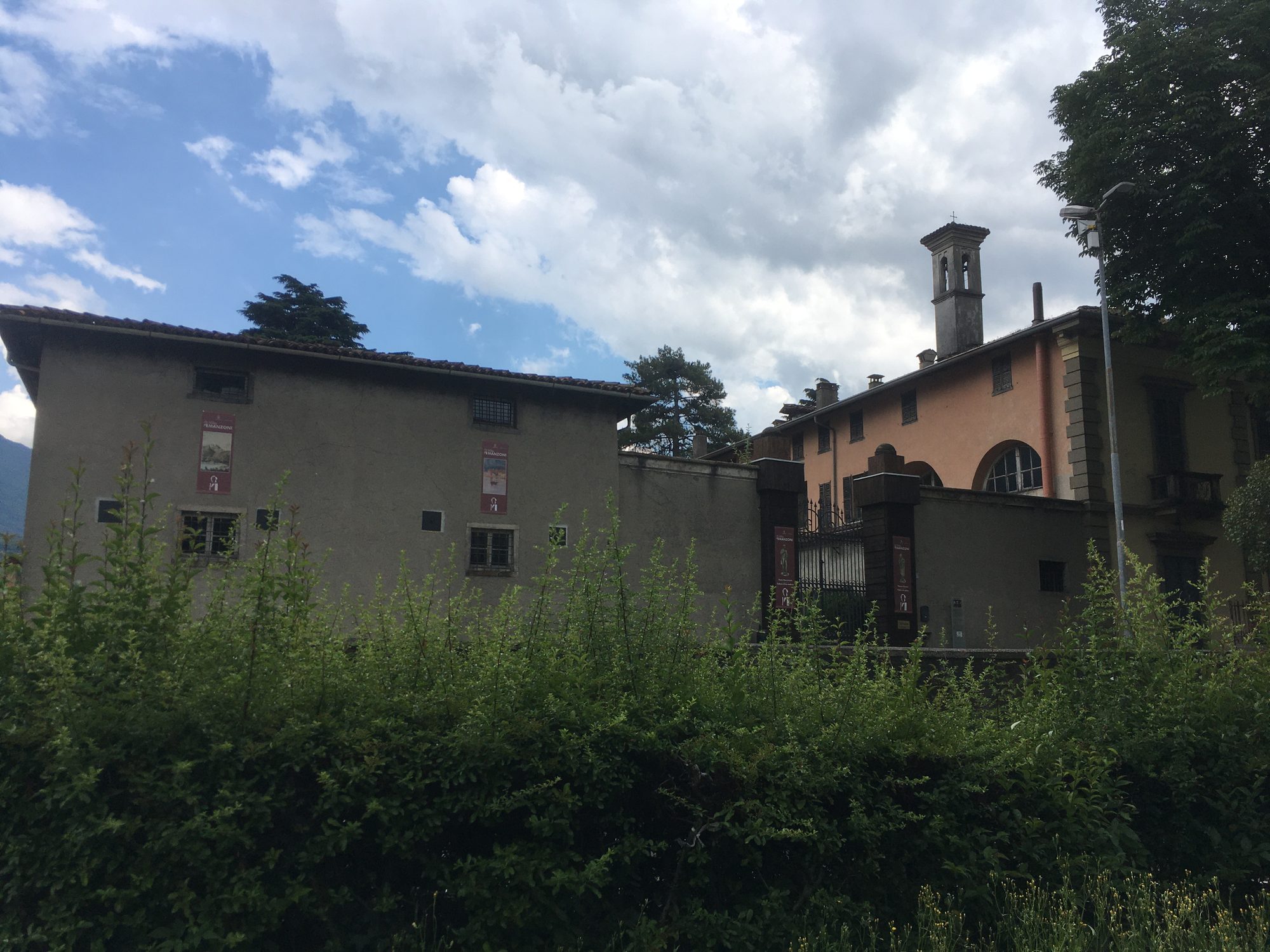
- Civic museums: a combined ticket covers Palazzo Belgiojoso, the Museo Manzoniano, Palazzo delle Paure and the Torre Viscontea.
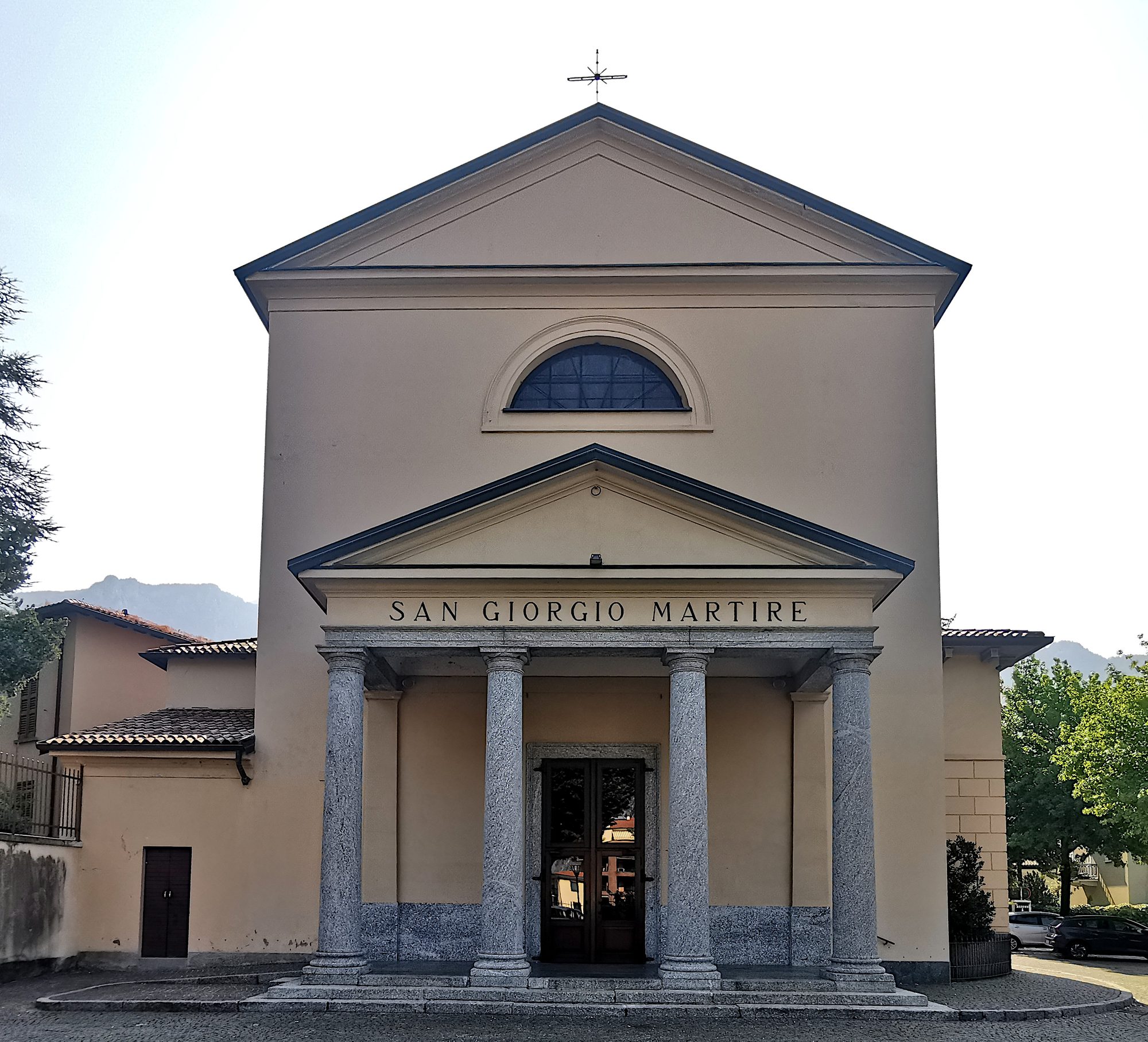
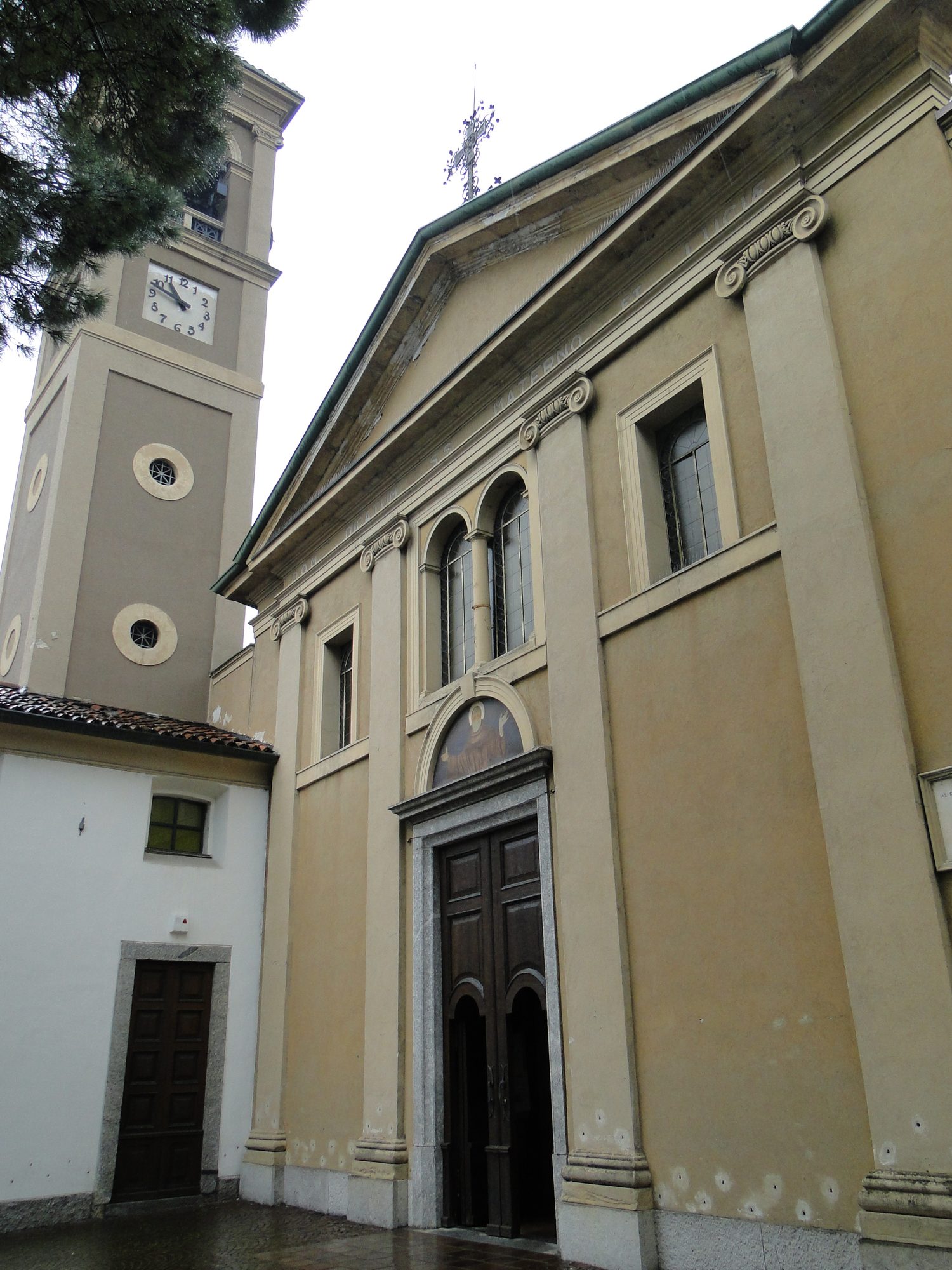
- Manzoni-related sites: the supposed houses of Lucia Mondella (one in Acquate, today an osteria) and the church of San Giorgio in Acquate, where Don Abbondio was to have celebrated the wedding.
- Isola Viscontea: a distinctive islet along the course of the Adda.
What to do
Views from above from Monte Barro and the Valsassina, rich in trails towards the Grigne massif. To the south, the Adda valley.
Getting there
Lecco station is an important hub, with direct connections from Milano Centrale, Milano Porta Garibaldi, Bergamo, Colico, Varenna, Sondrio and Como. By car, the SS36 links it to Milan.
Festivities
6 December — Saint Nicholas, patron saint of Lecco.